The Biggest “Myths” About Kitchen Built In Oven Could Actually Be True
The Ultimate Guide to Kitchen Built-In Ovens: What You Need to Know
When it concerns contemporary kitchens, the built-in oven is more than simply a home appliance; it is a statement of style, efficiency, and functionality. Built-in ovens are created to incorporate seamlessly into kitchen cabinetry, providing a sleek look that boosts the general style of the kitchen. This post checks out the numerous types, advantages, and factors to consider of kitchen built-in ovens, and provides insights to assist you make an educated acquiring decision.
Table of Contents
- What is a Built-In Oven?
- Types of Built-In Ovens
- 2.1 Single Ovens
- 2.2 Double Ovens
- 2.3 Steam Ovens
- 2.4 Wall Ovens
- Benefits of Built-In Ovens
- Secret Features to Look For
- Setup Considerations
- Regularly Asked Questions
- Conclusion
1. What is a Built-In Oven?
A built-in oven is an oven developed to be installed within kitchen cabinets instead of as a freestanding system. This style enables higher visual flexibility while taking full advantage of available kitchen area. Built-in ovens been available in different sizes and setups, accommodating diverse culinary needs and kitchen styles.
2. Types of Built-In Ovens
Comprehending the various kinds of built-in ovens can assist consumers select the ideal one for their kitchen setups and cooking styles.
2.1 Single Ovens
Single ovens are compact and developed to fit within standard cabinet widths. These ovens normally provide adequate area for daily cooking needs, such as baking or roasting. They are available in numerous electric or gas models and are frequently user-friendly with uncomplicated controls.
2.2 Double Ovens
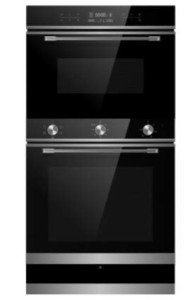
For individuals who frequently host large gatherings or enjoy cooking multi-course meals, double ovens can be a lifesaver. These systems consist of two different oven compartments and offer increased cooking capacity, permitting simultaneous baking or roasting at various temperatures.
2.3 Steam Ovens
Steam ovens make use of steam to cook food, which assists maintain wetness and nutrients. These ovens are progressively popular among health-conscious individuals and premium cooks. built under double oven and hob packages can be built-in along with standard ovens for a versatile kitchen setup.
2.4 Wall Ovens
Wall ovens are designed to be set up within a wall instead of under countertops. They offer practical gain access to and can be integrated with other wall-mounted kitchen appliances. Wall ovens might be available as single or double units.
3. Benefits of Built-In Ovens
Going with a built-in oven comes with various advantages:
- Space Efficiency: Built-in ovens can be tucked into cabinets, maximizing valuable kitchen area.
- Aesthetic Appeal: They provide a cleaner, more modern appearance than standard freestanding ovens.
- Variety of Designs: Built-in ovens are readily available in several finishes, including stainless steel, black, and white, allowing integration with various kitchen designs.
- Improved Functionality: Many built-in ovens come equipped with innovative features such as self-cleaning modes, touch screens, and convection technology.
4. Secret Features to Look For
When choosing a built-in oven, think about the following functions to enhance cooking functionality:
- Temperature Range: A more comprehensive temperature range allows for higher versatility in cooking various dishes.
- Self-Cleaning Options: Look for designs that use self-cleaning capabilities to save time and effort on upkeep.
- Convection Cooking: Convection ovens distribute air to prepare food equally and rapidly.
- Wi-Fi Connectivity: Some contemporary built-in ovens come with Wi-Fi ability, allowing users to manage settings or pre-heat the oven remotely.
- Security Features: Check for features like automated shut-off, child locks, and cooling systems to guarantee optimum security.
5. Installation Considerations
Before purchasing a built-in oven, particular installation factors require to be resolved:
- Size and Dimensions: Ensure the chosen oven fits the designated area. Measure the height, width, and depth of the intended setup location.
- Ventilation: Gas ovens need adequate ventilation to make sure safety. Consult an expert if necessary.
- Electrical Requirements: Check the electrical specs of the selected system to make sure compatibility with existing outlets.
- Professional Installation: If you're not experienced in appliance setup, it might be smart to seek expert help to make sure correct fitting and compliance with local codes.
6. Often Asked Questions
Q1: How do built-in ovens differ from freestanding ovens?A: Built-in ovens are installed in cabinetry for a smooth appearance, while freestanding ovens stand alone and do not need built-in setup.
Q2: Can you install a built-in oven yourself?A: While some individuals with experience might select to install an oven themselves, it is usually recommended to work with a professional to make sure electric or gas connections are safely set up. Q3: Are built-in ovens energy-efficient? A: Many built-in ovens feature energy-saving technology and are typically more effective compared to older designs. Always inspect energy ratings before buying. Q4: Do built-in ovens require unique maintenance?A: Regular maintenance includes keeping
the interior clean and inspecting for any wear and tear. Self-cleaning
designs can streamline this task considerably. Q5: What is the average life-span of a built-in oven?A: The average lifespan of a built-in oven is typically in between 10 to 15 years, depending upon use and maintenance practices. 7. Conclusion Buying a built-in oven can improve both the functionality and visual appeals of your kitchen. With numerous types and functions offered, customers
can select designs that
best fit their cooking design and style preferences. Whether a seasoned chef or a home cook, the benefits of choosing a built-in oven are clear. By considering the information detailed in this guide, people can make educated decisions that will lead to years of cooking enjoyment. Extra Resources For further info on kitchen appliances, consider taking a look at the following resources: Consumer Reports: Product evaluations and purchasing guides. Energy Star: Energy-efficient home appliance suggestions. Home Improvement Stores: Local professionals can provide additional insights and recommendations. Starting a kitchen remodelling or upgrade can be
- *an amazing journey, and picking the ideal built-in oven plays an important role in producing afunctional and stylish cooking environment.
 **
**
****